Art Market/ Art History
Sometimes the art market has a direct bearing on art history. Such is the case in the story of the close friendship between two exceptional artists, Marcel Duchamp (1887–1968) and Francis Picabia (1879–1953), who met in Paris in 1911. Much later, Duchamp would say of Picabia: “He could be called the greatest exponent of freedom in art, not only against the enslavement of the academies but also against submission to any dogma whatsoever.”
Sustain Our Work with a Small Monthly Gift
Become part of the Judith Benhamou Reports circle.
Contribute, even from just €10
mischievous picabia
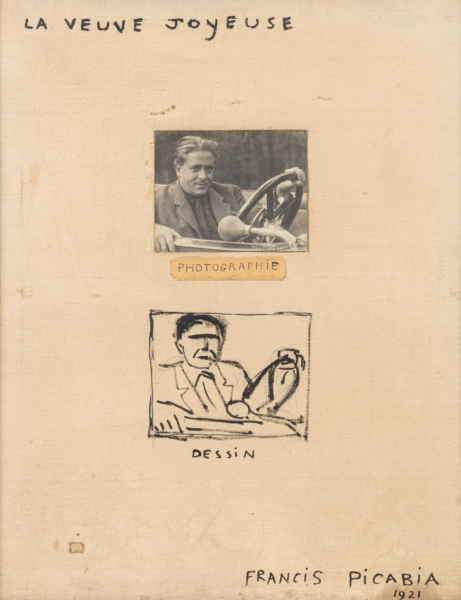
Indeed, the unpredictable and spontaneous Francis Picabia changed painting styles as naturally as he breathed. Duchamp, meanwhile, rather than producing new works, began in the 1920s to deal in art made by his fellow artists, among them the mischievous Francis. In February 1925, Marcel’s mother and then his father died within five days of each other. The latter had been a prosperous notary in Normandy. The artist inherited a modest sum, which he reinvested in the purchase of 80 works by Picabia, subsequently putting them up for auction at the Hôtel Drouot on March 8, 1926.
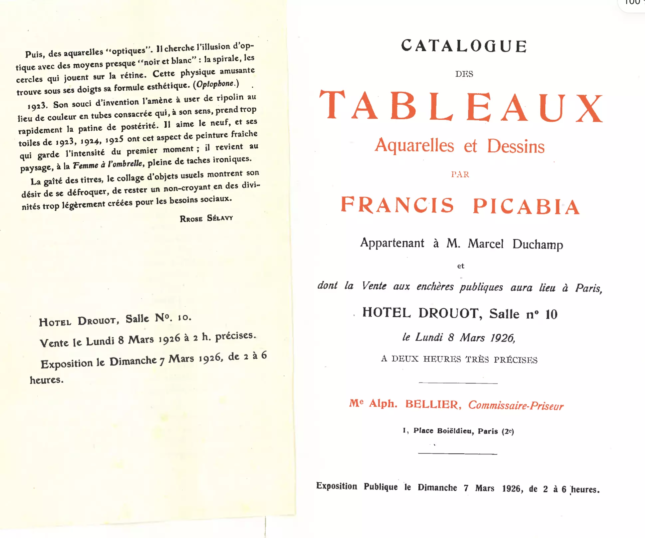
He orchestrated the entire operation, even writing an introduction to the catalogue under the name of Rrose Sélavy, the female alter ego he had invented for himself. The sale was all the more a celebration of friendship because Duchamp’s friends, including André Breton, who had recently founded the Surrealist movement, rallied to the cause.
Michel Périnet
The auction was a historic gesture, one that some specialists would even describe as a work of conceptual art.
More than 50 years later, a man who made his living as a jeweler in Paris would prove particularly receptive to the distinction conferred by this 1926 sale.
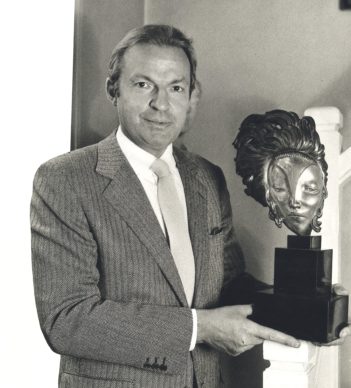
His name was Michel Périnet. Alongside his talent for unearthing the most remarkable pieces of collectible jewelry, this extraordinary, self-taught connoisseur quietly conducted transactions in the art world. From time to time, he would hold on to pieces that came to define his aesthetic universe in the Saint-Germain-des-Prés apartment he shared with his wife, Françoise Cailles, a jewelry expert.
African and Oceanic art
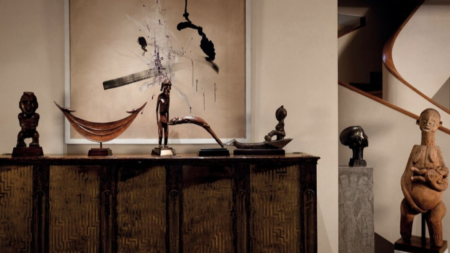
His first great passion was African and Oceanic art. Michel Périnet died in 2020 at the age of 89. On June 23, 2021, his collection of tribal art was sold at auction. Its 61 lots fetched €66 million. The figure was staggering, given that prices in this field are considerably lower than those commanded by modern art. Sixteen works sold for more than €1 million each, including an extraordinary Tapuanu mask from Micronesia, estimated at €500,000, which fetched €9.1 million.
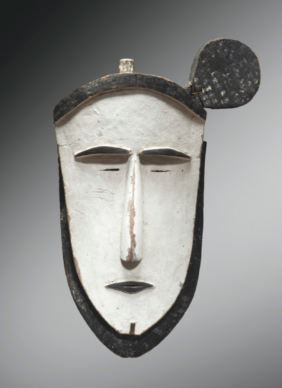
In a field rife with fakes, the fact that a mask or a sculpted head has passed through the hands of illustrious pioneers who also had ties to modern art — such as the painter Maurice de Vlaminck, the couturier Jacques Doucet or the founder of the cosmetics empire Helena Rubinstein — provides considerable reassurance and adds substantial value. Through his collection of African and Oceanic art, Michel Périnet had come to understand perfectly the importance of provenance in determining the value of a work of art.
impeccable pedigree
On December 1, 2026, the second and third chapters in the dispersal of the Périnet collections will unfold. On that day, Sotheby’s in Paris will auction not only the jewelry the dealer had kept for himself — he had, among other things, helped bring numerous Art Deco designers back into the spotlight — but also his collection of modern and decorative art.
Here again, we encounter the principle he held dear: an impeccable pedigree.
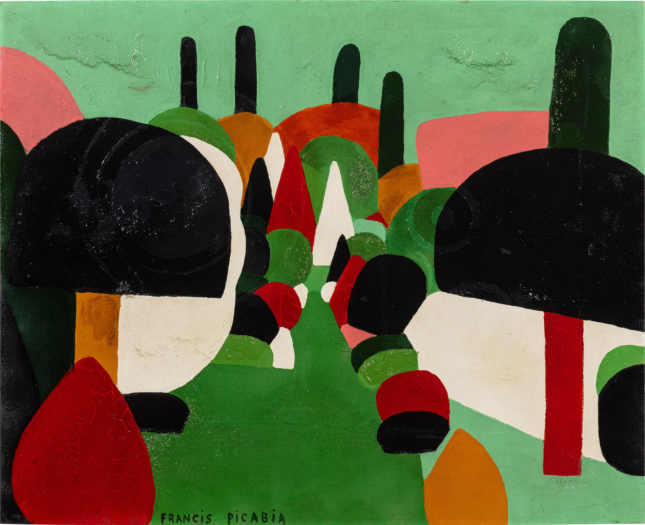
At the heart of the collection, estimated at €12 million, are six works by Francis Picabia. Michel Périnet had the discernment to recognize the importance of this artist associated with Dada and later with the Surrealist group, who was still undervalued in the 1970s and ’80s, when the acquisitions were made.
The Parisian art dealer Marcel Fleiss knew Périnet well. As he explains in the introduction to the catalogue, the jeweler’s interest in Picabia very likely stemmed from an amusing coincidence. Périnet’s first shop was located on Rue Danielle Casanova, the very street where the painter had lived and where his widow, Olga, still resided.
François de Ricqlès
“He was self-taught. His collection consists of the very best things, those he preferred to keep for himself. The estimates for the sale are extremely reasonable,” emphasizes François de Ricqlès, a former auctioneer whom the Périnets entrusted with overseeing their collection.
Some ten years after the major retrospective at the Kunsthaus Zürich and MoMA in New York, Picabia’s complex and eclectic body of work continues to be explored by institutions and the market alike.
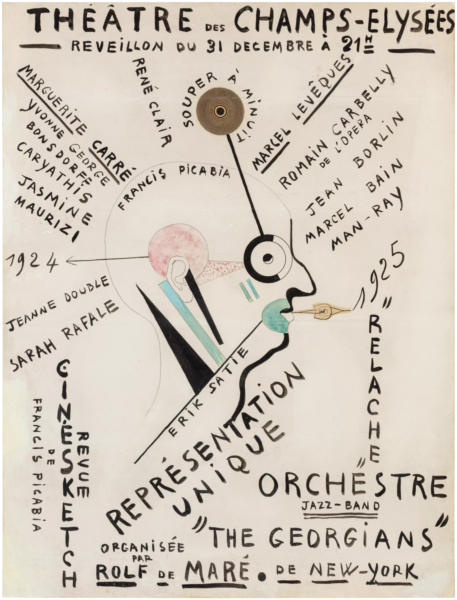
There is certainly no shortage of Picabia-related activity at present. Milan’s Palazzo Reale has invited the artist’s great-granddaughter, the writer Anne Berest, to curate an exhibition devoted to him, running through January 24, while the museum in Céret, near Perpignan, is closing an engaging exhibition on November 29 that sheds light on the breadth of his artistic affinities. On the gallery front, Michael Werner and the international gallery Hauser & Wirth, both specialists in his work, have also exhibited Picabia in recent years.
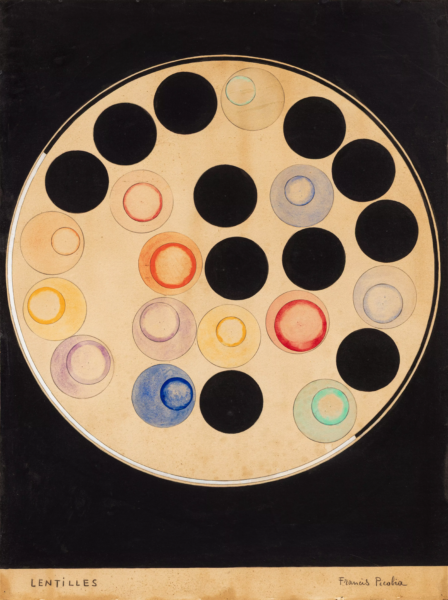
In fact, there is no single, homogeneous market for Picabia, but rather several distinct markets corresponding to different periods, precisely because the artist changed styles so frequently. Buyers are gradually reassessing the relative merits of his various bodies of work.
Picabia’s world auction record dates back to 2022, when a painting from the series known as the Transparencies sold for €9.9 million in Paris. It had come from the gallery of Léonce Rosenberg, a major dealer in avant-garde art. The Musée Picasso in Paris devoted an exhibition to the dealer in 2024.
The Transparencies, often set against sky-blue backgrounds, offer dreamlike interpretations of scenes inspired by antiquity, in which figures overlap in much the same way as our thoughts become entangled.
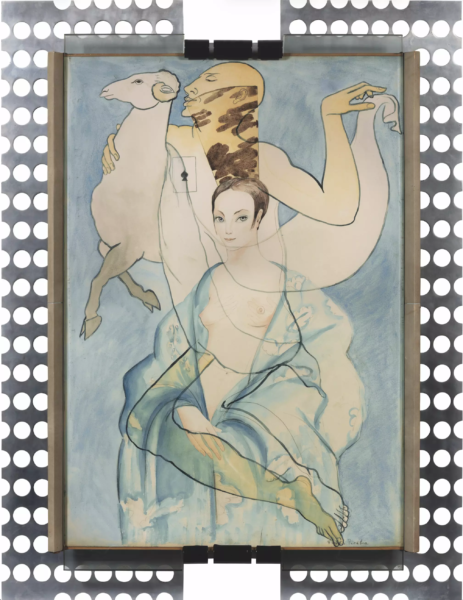
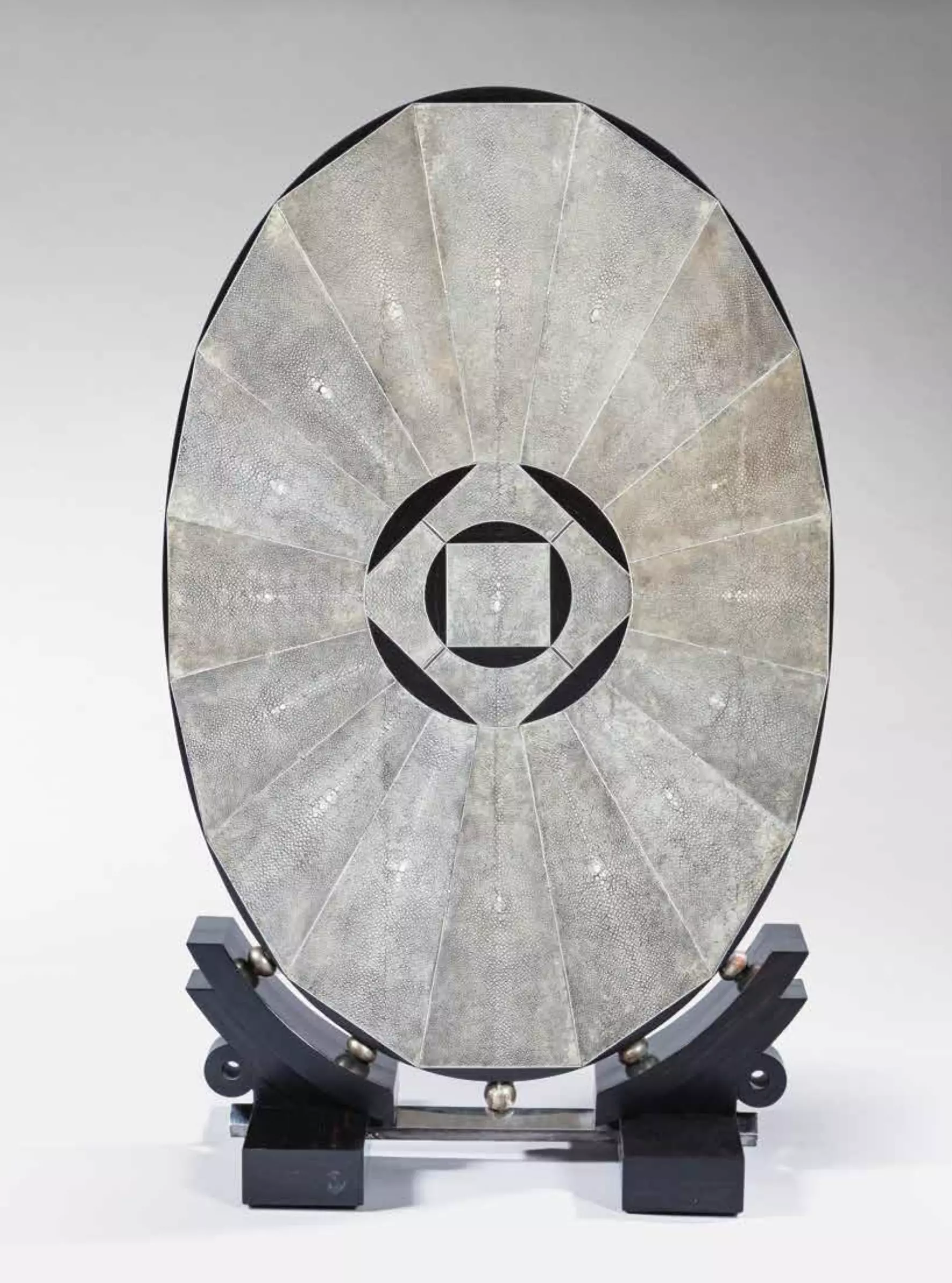
The upcoming sale happens to include one of Picabia’s Transparencies, a large watercolor executed around 1926, depicting an intricate tangle of figures, including a Spanish dancer, a goat and a shepherd-like figure. Its openwork metal frame is by Pierre Legrain (1888–1929), one of the masters of Art Deco design. The catalogue also features a unique piece of furniture by Legrain: a firescreen in the purest Art Deco style, covered in shagreen (sharkskin) and veneered in ebony (estimate: €150,000).
Jacques Doucet
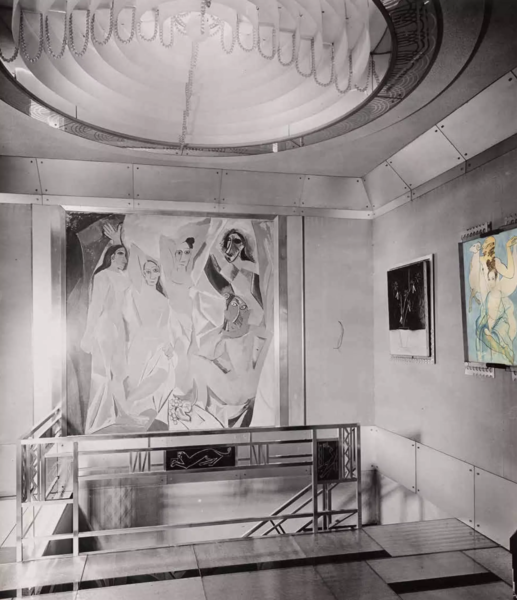
But what makes the watercolor particularly noteworthy is that it once belonged to the couturier and extraordinary collector Jacques Doucet (1853–1929). A photograph even shows the work hanging in his private mansion, not far from Les Demoiselles d’Avignon, Picasso’s iconic Cubist masterpiece, which he had acquired on the advice of André Breton.
Relatively speaking, the estimate for the Transparency is low: €1 million. This reflects the fact that the colors of the work on paper have lost some of their intensity over time.
Most significantly, however, three works in the December 1 auction come from the 1926 Duchamp sale.
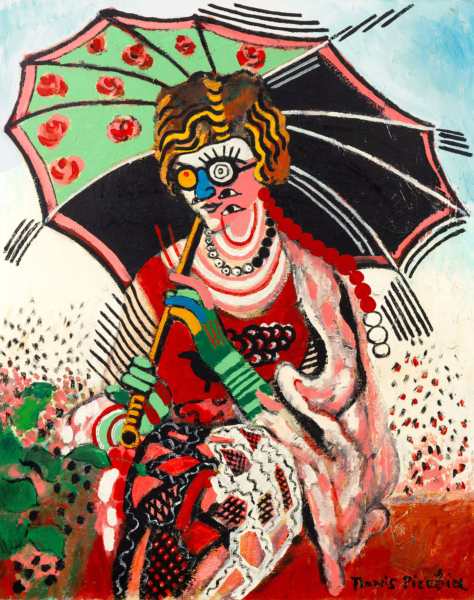
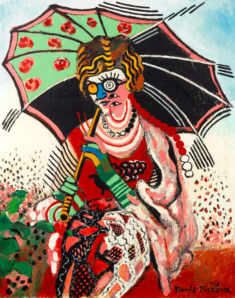
The most eagerly anticipated painting, executed around 1924, belongs to the series known as the Monsters and is estimated at €2 million. Here, Picabia transforms sentimental images drawn from popular culture into something grotesque, deliberately repellent. In this instance, he appropriates the Impressionist cliché of the woman with a parasol, only to transform the creature by giving her several pairs of eyes. She appears almost electrified, surrounded by swirling lines and dots.
The highest auction price for one of the Monsters was achieved in 2024, when a painting fetched €2.7 million.
at bonhams
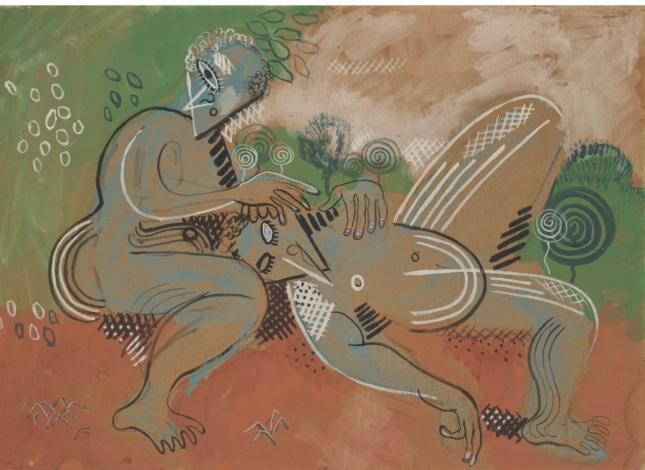
Coincidentally, on December 2, 2026, Bonhams is offering another example from the Monsters series in Paris. Idylle, painted around 1925, depicts a couple sharing a tender moment. Yet each of the protagonists has a Cubist-inflected face reminiscent of an African mask. The work belonged to Gabrielle Buffet, the artist’s first wife, and subsequently to André Breton. Another impeccable provenance (estimate: €600,000).
According to the art market database Artprice, Picabia’s price index has risen by 410% since 2000. Bargain hunters should be warned, however: numerous drawings that are almost certainly fakes, with no verifiable pedigree, are circulating on the market.