[et_pb_section fb_built=”1″ _builder_version=”4.16″ global_colors_info=”{}”][et_pb_row admin_label=”Fil d’ariane” _builder_version=”4.16″ background_size=”initial” background_position=”top_left” background_repeat=”repeat” locked=”off” collapsed=”on” global_colors_info=”{}”][et_pb_column type=”4_4″ _builder_version=”4.16″ custom_padding=”|||” global_colors_info=”{}” custom_padding__hover=”|||”][et_pb_text admin_label=”Retour to Books” _builder_version=”4.16″ background_size=”initial” background_position=”top_left” background_repeat=”repeat” global_colors_info=”{}”]> Return to Books[/et_pb_text][/et_pb_column][/et_pb_row][et_pb_row _builder_version=”4.16″ global_colors_info=”{}”][et_pb_column type=”4_4″ _builder_version=”4.16″ global_colors_info=”{}”][et_pb_text _builder_version=”4.27.4″ background_size=”initial” background_position=”top_left” background_repeat=”repeat” hover_enabled=”0″ global_colors_info=”{}” sticky_enabled=”0″]
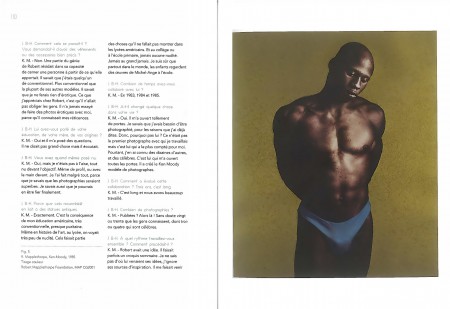
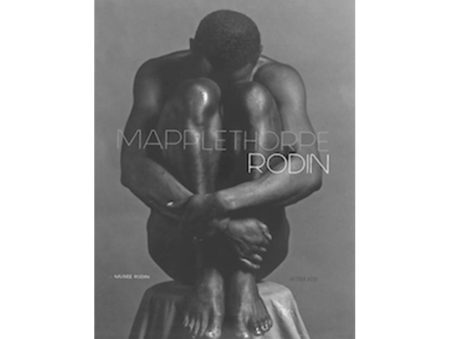
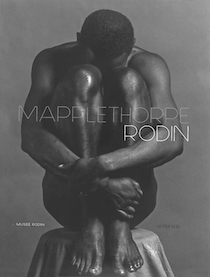
Everything seems to set these two personalities apart, even though Mapplethorpe ceaselessly sculpted bodies through his lens, and photography accompanied Rodin throughout his career.
Robert Mapplethorpe pursued the perfect form, while Rodin sought to capture movement within matter. Nothing is spontaneous in Mapplethorpe’s work—everything is meticulously constructed—whereas Rodin preserved the traces of an artwork’s creation and embraced the accidents of the process. One was drawn to men, the other to women—both to the point of obsession. Yet this did not prevent Mapplethorpe from photographing female nudes or Rodin from sculpting numerous male bodies.
[/et_pb_text][/et_pb_column][/et_pb_row][et_pb_row _builder_version=”4.16″ global_colors_info=”{}”][et_pb_column type=”4_4″ _builder_version=”4.16″ global_colors_info=”{}”][et_pb_gallery gallery_ids=”28035,3194,2518,3196″ posts_number=”50″ show_title_and_caption=”off” zoom_icon_color=”#000000″ _builder_version=”4.16″ global_colors_info=”{}”][/et_pb_gallery][/et_pb_column][/et_pb_row][/et_pb_section]