Immersive worlds
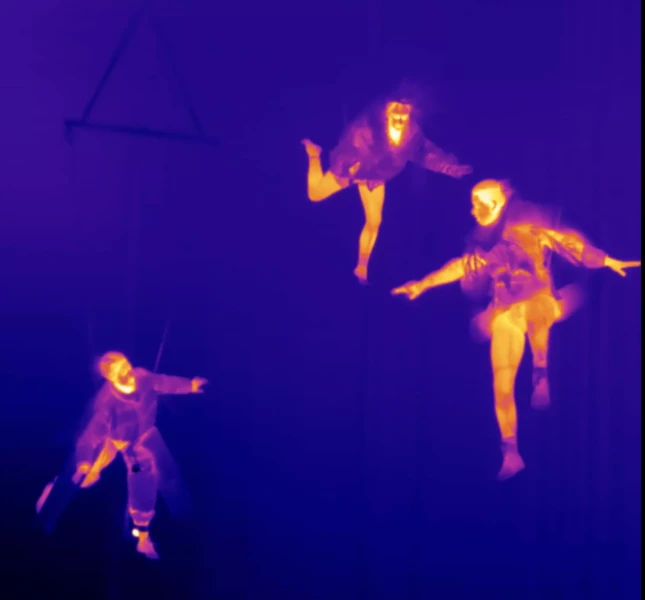
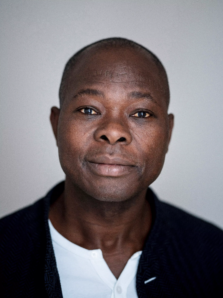
You don’t need to understand a work of art to be moved by it. That is precisely the invitation Prouvost extends at the Grand Palais, where her monumental new installation asks only one thing of its visitors: surrender. Trained in London — where she won the Turner Prize, the most coveted distinction in British contemporary art — and having represented France at the Venice Biennale in 2019, Prouvost has long built her reputation on immersive worlds in which video serves as a primary language, and reality becomes something negotiable.
New Monumenta
The work is titled Nous, frissons d’étoiles — “We, Star Shivers.” Installed beneath the Grand Palais’s vast glass canopy, it summons the ambition of the legendary Monumenta series, which once brought Anish Kapoor , Daniel Buren and Richard Serra to these same walls at heroic scale.
Sustain Our Work with a Small Monthly Gift
Become part of the Judith Benhamou Reports circle.
Contribute, even from just €10
colossal creature
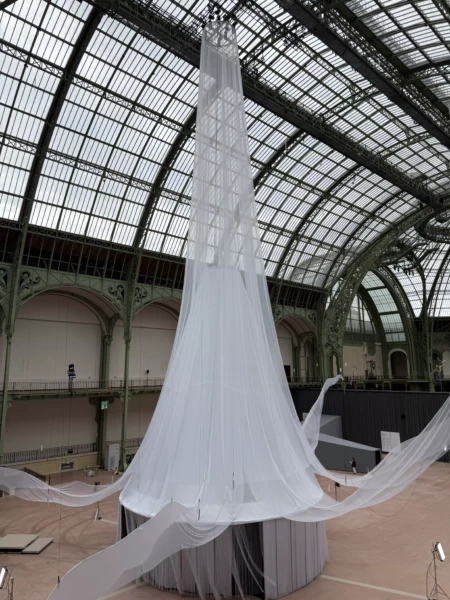
Prouvost claims not only the physical space of the Grand Palais but its acoustic body as well. The entire nave is submerged in an unsettling soundscape — murmurs and crescendos, breaths, vibrations, fragments of language that refuse to resolve into meaning.
At the center of it all floats a colossal creature — part octopus, part apparition — sculpted from white veil or gauze . Its six tentacles reach deep beneath the glass roof, swaying and twisting as though pulled by an invisible current.
43 meters into the air
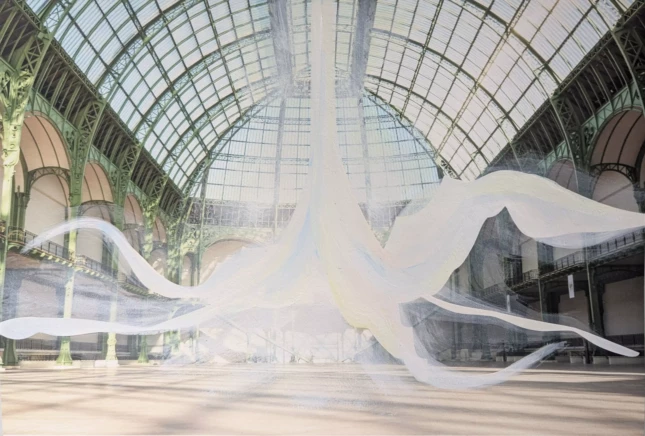
Rising forty-three meters into the air, the fabric beast trails delicate, spider-silk threads from its limbs, grazing visitors as they move through the space below.
Inside its body, a circular tent houses a film in perpetual transformation, projected overhead onto the curved interior. Built from images previously made by Prouvost and reworked through artificial intelligence, it is experienced lying down, on specially designed angled cushions. There is no narrative here — only a procession of dreamlike visions. By this point, you are already beginning to drift.
blown-glass breasts
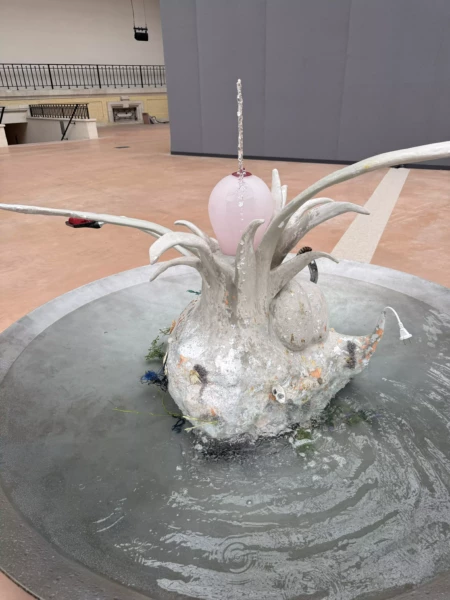
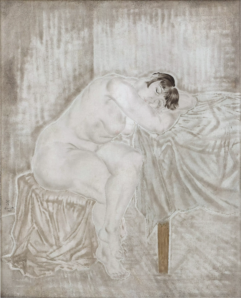
Emerging from the tent, visitors encounter fountains adorned with blown-glass breasts, small trays and slender stems that end in electrical plugs. These same fountains dispense fresh raspberries, mysteriously restocked throughout the day. It is a moment of absurdist sensory pleasure — quintessentially, unmistakably Prouvost.
Elsewhere, aluminum arches broadcast poems written by the artist. Texts line the mezzanine walls, including this:
“Entering the void as one enters through a door, widening the void in a stretched-out world.”
Prouvost explains
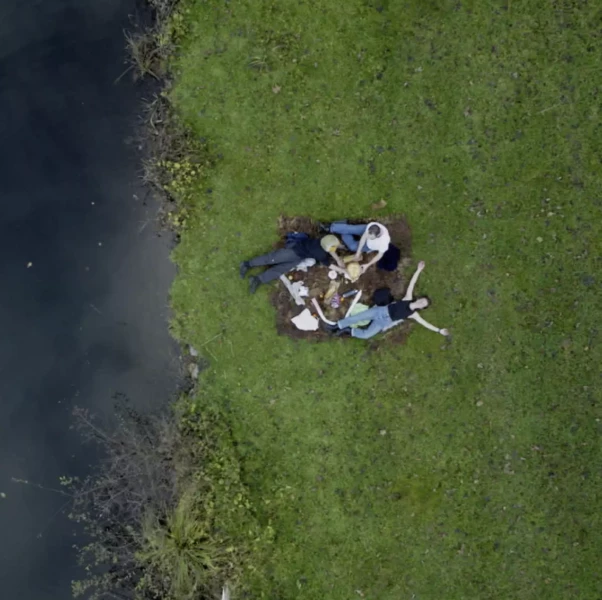
The entire installation, Prouvost explains, draws from quantum processes, “which free us from our former understanding of the world.” Quantum physics, at its most accessible, studies the behavior of matter at microscopic scales — a domain governed by uncertainty, where particles exist in multiple states at once. It is this fundamental challenge to Western rationality that captivates her.
“The idea is to feel invisible things,” she says. “Visitors should allow themselves to be carried into a different time and space — to sense the connections between things.”
las foundation
Behind this fantastical project — fantastical in the science-fiction sense of the word — stands the German LAS Art Foundation, which has come to regard art as the ideal vehicle for bringing quantum concepts to general audiences.
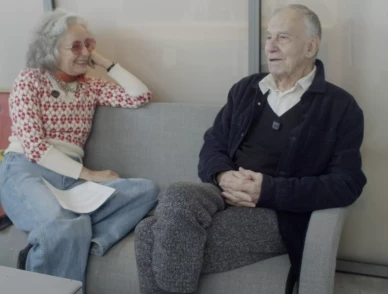
“The subject can be intimidating,” says Carly Whitefield, LAS’s Head of Programs. “We decided that what was needed was a new language — not to teach, but to create a new kind of experience. A way of perceiving reality through a quantum lens.”
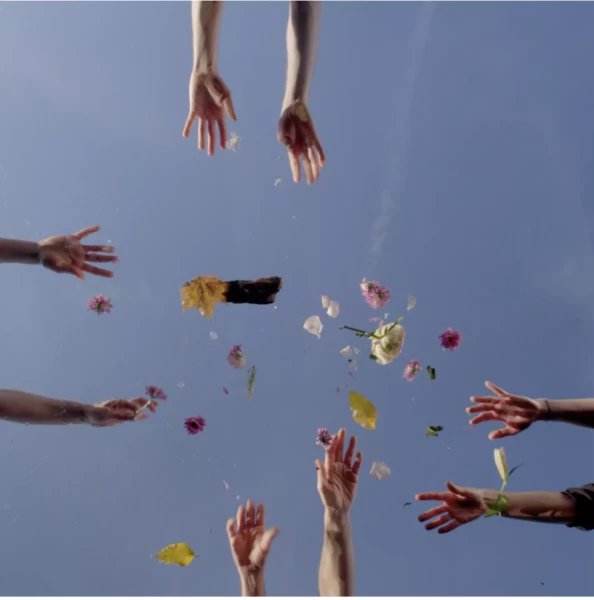
Her conclusion is refreshingly, almost defiantly simple: “You don’t need to think about quantum theory. You just need to feel it.”
So take your time. Let yourself drift — “widening the void, in a stretched-out world.”
Grand Palais, through July 26.