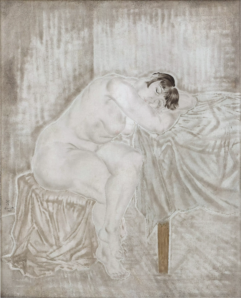

In modern art, look at Matisse: some of the deepest bidding wars we had in our New York sale room were for Matisse. That hasn’t always been the case.
Second, younger buyers show a bigger focus on second-hand, driven by interest and commitment to sustainability. That shift will have a very positive impact on how we engage with that audience. Buying a second-hand watch rather than going to Rolex or Tourneau… The principle applies in other fields. In March we will sell Kurt Cobain’s guitar. It’s exciting for the prospect of widening our client base. And many younger Asian collectors are also coming to us through luxury purchases.
Another phenomenon is the growing importance of private sales. In 2025 they represented $1.5 billion—just over 25% of our total business across all categories. Some collectors want a little bit more privacy. Private sales are a very custom, completely personalised offer.
What is happening in the market for very contemporary artists—for African American artists, for example?
We’re watching. It’s a long-term play, and our job is to manage those sales, manage the inventory, and present what really reflects where we see strength.
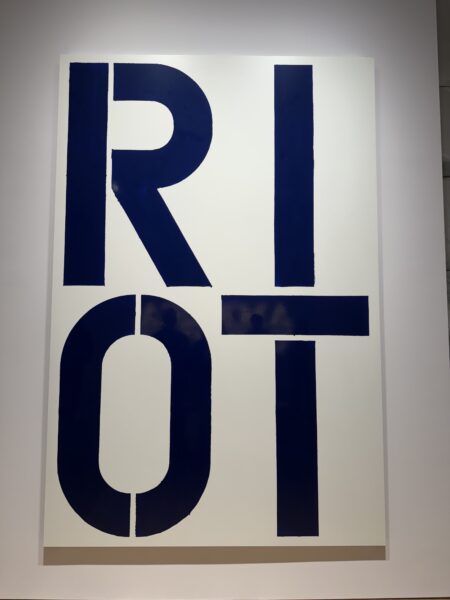
We have observed, for example, ups and downs in Christopher Wool’s market ([Ed.] an American artist born in 1955, working, among other things, on the idea of the image and its reproducibility), and I was really pleased with the November result—a really strong signal to the market. ([Ed.] A work painted in 1990, marked in blue with the letters RIOT, sold for $19.8 million on 19 November 2025.)
What is your policy today regarding estimate levels?
We’re very nimble. Our teams are always reflecting where the market is. We’re in a sales business, and the whole magic of auction is filling our room and getting people to raise their paddles. The estimate is one piece of that. Ultimately, it’s the collectors who decide the pricing—sometimes well beyond expectations. But yes, we need to guess, grounded in what has sold before: what’s sold recently, and why this one is different. With objects, it’s hard—which is why human engagement will always be part of the process.
In which areas do you use artificial intelligence today?
We will happily use AI to enhance, but it does not replace that process. We do not use it for setting estimates. We use AI in the business to help study trends, and in marketing—for example, to help us navigate where we’re seeing interest and engagement. It also helps optimise certain processes, like cataloguing. Last year, 81% of our activity relied on online digital tools.
What can we expect in 2026?
I’m very optimistic about 26. Starting a year with this excitement is a great kickoff, and it makes it much easier for the teams at Christie’s to convince sellers.
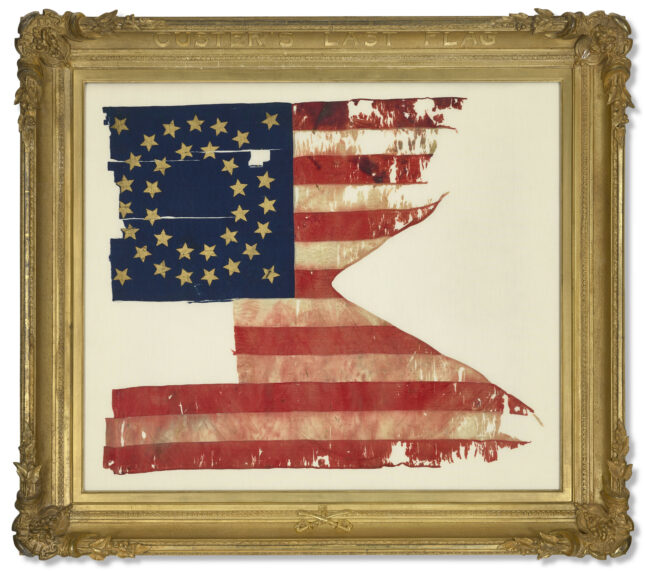
We will sell the Jim Irsay collection ([Ed.] considered the most important guitar collection in the world). We are also marking major anniversaries in 2026, including the 250th anniversary of the United States, with, among other things, the largest collection of the American West, sold in January.