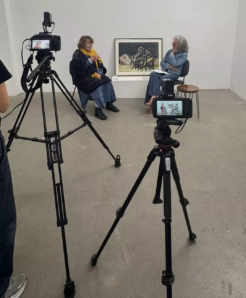
In this Long Conversation, Simone Fattal tells us about her many lives, on the occasion of her retrospective at the Musée d’Art Moderne de Paris. At an exuberant 84, she looks back on an exceptionally rich, multinational existence.
Damascus, London, Beirut
She grew up happily in Damascus, in a house where visitors were greeted by fruit trees and jasmine, and whose rooms were filled with Oriental rugs collected by her father. Then came a stay in London to learn English, during which she discovered the power of theater; studies in literature and philosophy in Paris; and, in 1969, a move to Beirut, then animated by an extraordinarily fertile intellectual life.
Sustain Our Work with a Small Monthly Gift
Become part of the Judith Benhamou Reports circle.
Contribute, even from just €10
the Post-Apollo Press
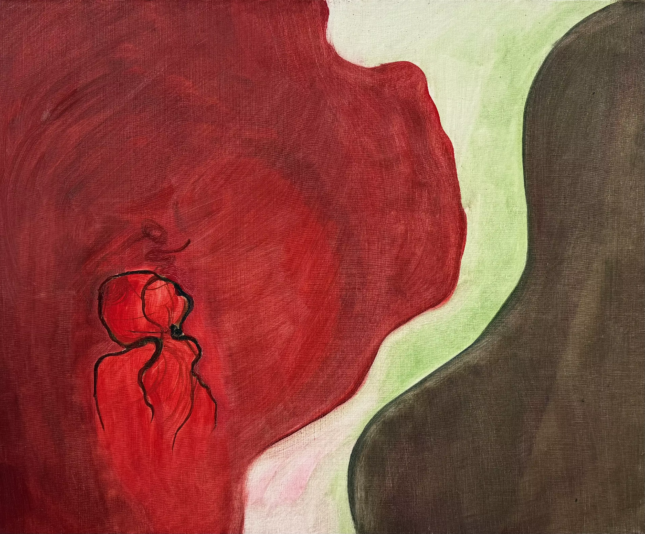
War eventually drove her to California, where she decided to become a publisher, initially in order to publish the poetry of her partner, the artist Etel Adnan. Adnan had a gift for concentrating powerful images and making them collide within a single sentence. She wrote, for example: “To the West the trains are falling apart like Marilyn Monroe.”
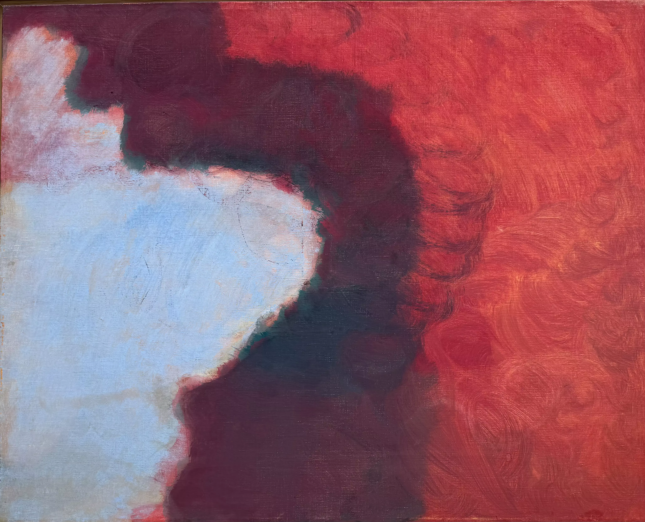
The publishing house would be called The Post-Apollo Press, a reference to a new era of exploration across every kind of space.
becoming a sculptor
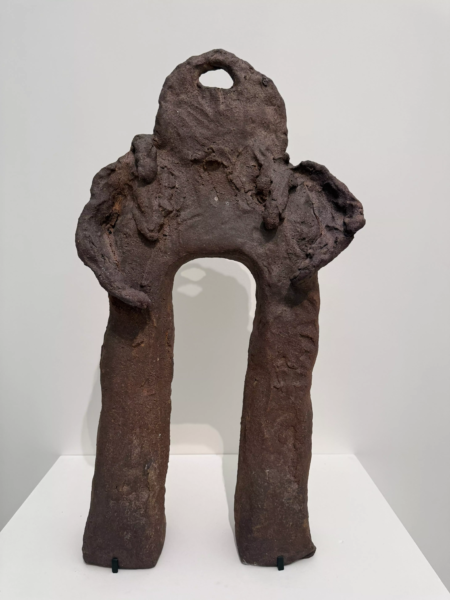
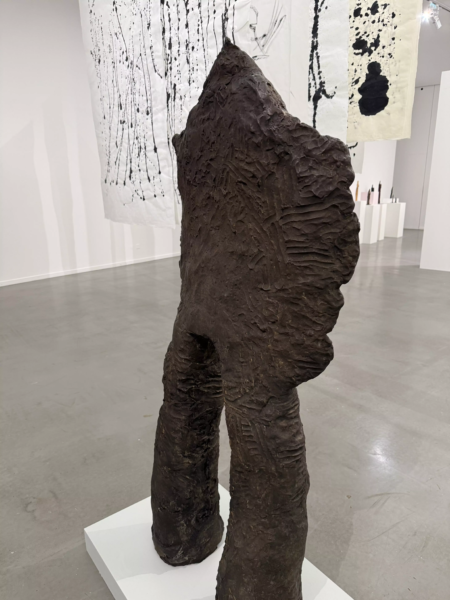
Etel Adnan also had premonitions. One of them was that Simone would become a sculptor. And indeed, in 1988 Fattal began working in three dimensions through ceramics. From then on, her hands kneading clay in an ancestral and sensual gesture would bring forth figures and warriors, seemingly returned from the kingdom of the dead.
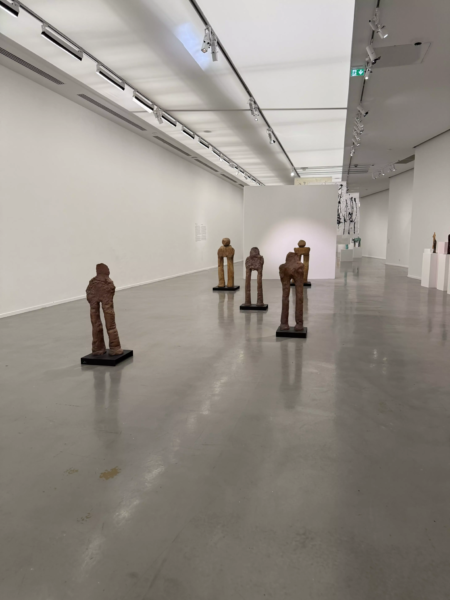
They have long legs, inspired by Arabic narratives in which Adam, the prophet, is distinguished by his great height. In Simone Fattal’s work, forms emerge from words. “Literature is the foundation of my work.”
Ancient heroes
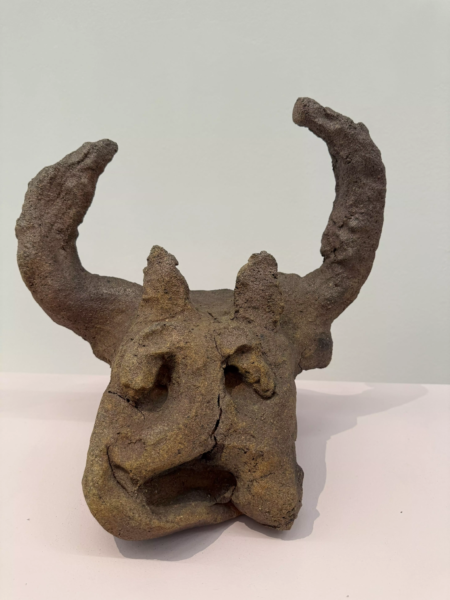
Her world is populated by ancient heroes reaching back as far as the kingdom of Sumer, at once brutal and perhaps slightly melancholic, recalling Charles Baudelaire’s description of Delacroix, an artist she particularly admires: “That singular and persistent melancholy that emanates from all his works.”
In recent years, Simone Fattal’s work has received particular recognition. In 2019, she was the subject of a major exhibition at MoMA PS1 in New York. In 2022, she was included in the Venice Biennale. In 2024, her presence at the Louvre, in the Department of Near Eastern Antiquities, marked another important moment. And in 2026, Des villes au fond d’un lac (Cities at the Bottom of a Lake), her exhibition at the Musée d’Art Moderne, crowns her French anchoring in Paris, where she has lived since 2010.
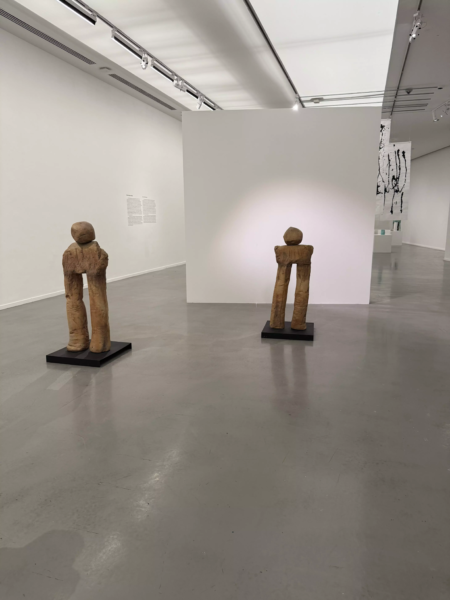
What does she make of all this success? The artist who has lived several lives opens up.
With her own hands, Simone Fattal has modeled an imaginary bridge of clay between the East of great legends and erudition, and the West, which welcomes her protective warriors—filled with the memory of the world—into their new home.
Enjoy watching!
Thanks to Galerie Balice Hertling for making this interview possible.