Arles in capital
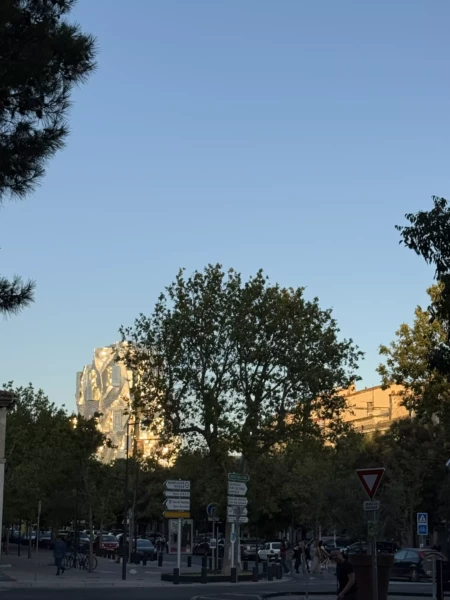
Over the past few years, Arles has become one of the leading centres of contemporary art in France during the summer, thanks to the many cultural events that have grown alongside the legendary Photography Festival, Les Rencontres d’Arles, which runs until October 4. We will soon return to the full programme of contemporary art exhibitions organised by the Luma Foundation, whose tower, designed by Frank Gehry, sparkles brilliantly in the sky above the capital of the Camargue region.
400 artists
This year’s festival features 47 exhibitions spread throughout the city—and beyond—showcasing the work of 400 artists. In the past, when the festival was Arles’ sole artistic attraction, it embraced an experimental spirit, often intersecting with other forms of visual art. The 57th edition is more restrained, at the risk of presenting works that lack originality. It has deliberately returned to its photographic roots.
Sustain Our Work with a Small Monthly Gift
Become part of the Judith Benhamou Reports circle.
Contribute, even from just €10
Edward Steichen
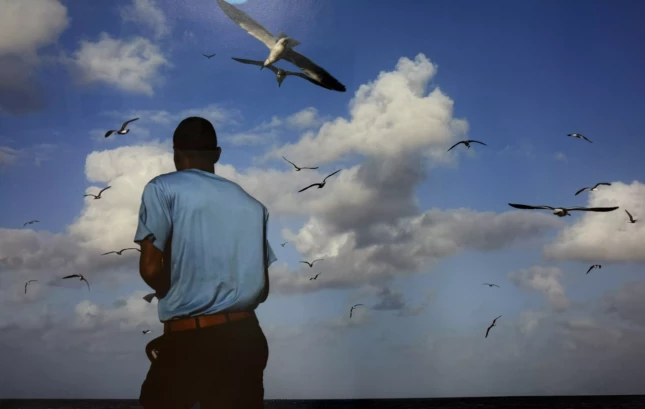
In this spirit, the outstanding exhibition is undoubtedly the one dedicated to Edward Steichen (1879–1973), a true genius of photography who richly deserves this renewed attention. Born in Luxembourg, raised partly in France before settling permanently in the United States, Steichen first earned international recognition as a fashion photographer and portraitist before becoming director of the Department of Photography at New York’s Museum of Modern Art (MoMA). There he curated the landmark exhibition The Family of Man, bringing together 503 photographs by 273 photographers to celebrate the universality of the human experience.
Moonlight: The Pond
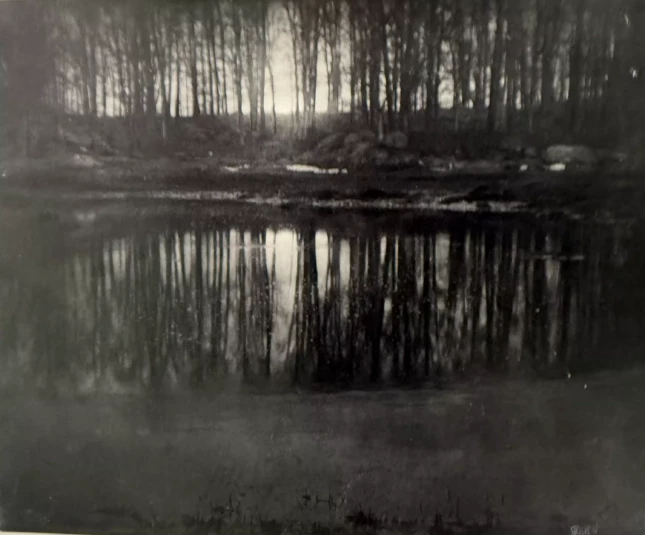
That is history. At the Mécanique Générale venue, however, the exhibition focuses on another essential aspect of Steichen’s work: his profound love of nature. Here, the artist returns to his original calling—that of a painter. His photographic prints possess the quality of genuine paintings. Among his most celebrated images is Moonlight: The Pond (1904), whose subtle interplay of light and shadow approaches abstraction. One print of this photograph sold in 2006 for the extraordinary sum of $2.4 million.
Ruud Priem
In the image, trees streak the background while their reflections ripple across the pond in the foreground. The surrounding vegetation dissolves into a dark halo. “His relationship with nature is a fundamental part of who he was. We wanted to reveal this dimension of his work,” explains the exhibition’s curator, Ruud Priem.
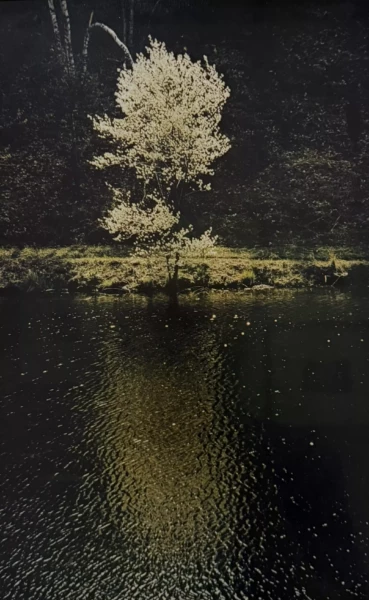
For the festival’s director, Christoph Wiesner, photography paradoxically helps us “read the world more accurately” at a time when images are everywhere. Appropriately, this year’s theme is “Worlds to Revisit.”
Ghana: Dreaming Independence
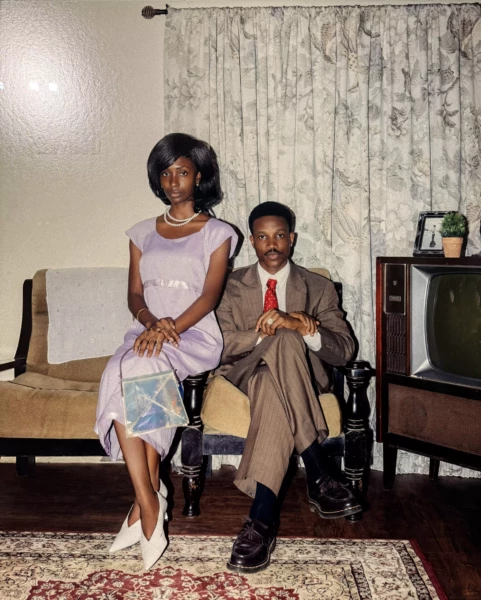
One particularly compelling exhibition at the Archbishop’s Palace( Palais de l’archevêché) explores the importance of photographic storytelling in Ghana, the first sub-Saharan African country to gain independence in 1957. Entitled Ghana: Dreaming Independence, it illustrates the newly independent nation’s determination to forge its own cultural identity after British colonial rule and to share that vision across the African continent.
Paul Strand
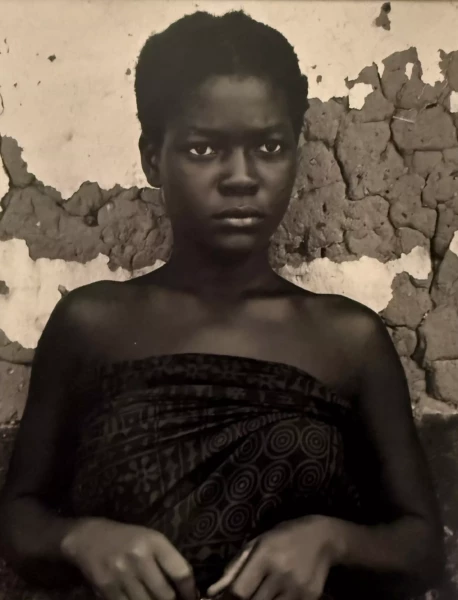
Western photographers flocked to Ghana, among them the renowned American Paul Strand (1890–1976), who at the time faced political suspicion in the United States because of his left-wing sympathies. One striking example is his portrait of a woman wearing traditional dress while attending university—a powerful image of a society embracing both heritage and modernity.
Park Chan-wook
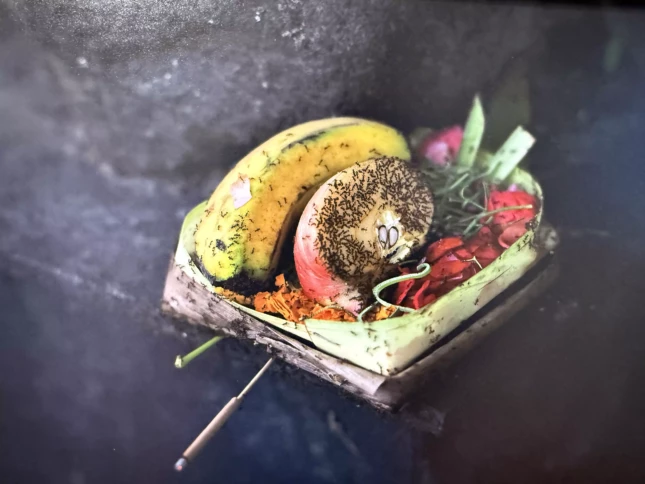
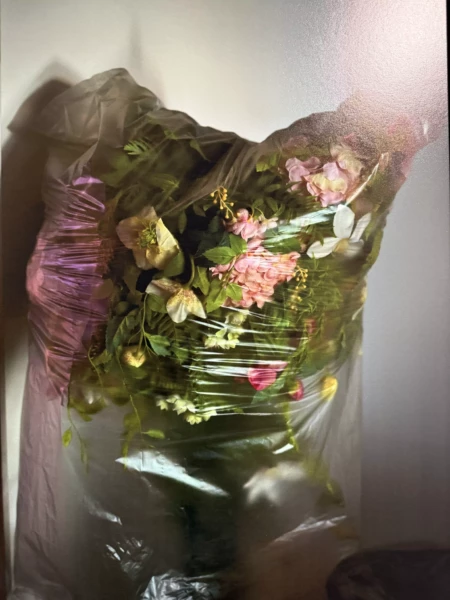
Among the surprises of this year’s edition is an exhibition at the Lee Ufan Space, presenting 68 photographic prints by South Korean filmmaker Park Chan-wook, who also served as president of the jury at this year’s Cannes Film Festival. His colour photographs deliberately draw attention to scenes that usually go unnoticed: flowers discarded in a rubbish bag, fruit covered with ants. Yet the results are unexpectedly beautiful.
Until the day I die
Park remains modest about his photographic work: “In photography, I have managed to construct only half of my universe.
Until the day I die, I will continue trying to complete it.” He also revealed that his next film will be an American western centred on revenge—a project eagerly awaited.
Clement cogitore
Finally, one of the festival’s most original creations comes from Clément Cogitore (born 1983), a contemporary artist who is also an opera director. This summer he is staging The Magic Flute at the Aix-en-Provence Festival.
Showing the past to speak about now
At the Espace Van Gogh, visitors can watch a thirty-minute film assembled from a wide range of archival footage, accompanied by a text written by the artist himself. Cogitore explores the political reinvention of memory and its many transformations. The continuous flow of images and reflections creates a striking sense of abstraction through its sheer density.
“I wanted the video to be shown at the same time as the opera in Aix. The opera opens with images from the Second World War. Treating the past in this way speaks directly to the present,” the artist explains. Cogitore impressively combines filmmaking, writing and stage direction within a single creative vision.