Irving Penn
Irving Penn
Irving Penn
Irving Penn
Irving Penn
Irving Penn
Irving Penn
Irving Penn
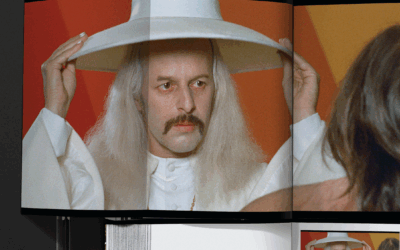
The pages are flicked through quickly and the images are often covered in writing or sliced in half.
Yes, the most striking shots will stay in the mind, but what was the particular style of the photographer you saw on glossy paper?
If there is a magazine photographer who deserves a “break-down”, in other words an exhibition, it’s surely Irving Penn (1917-2009).
This giant of photography spanned the last century working for US Vogue from 1943.
In 2014 the Palazzo Grassi in Venice staged an interesting exhibition of his works taken from the François Pinault collection which travelled to Fotografiska in Stockholm (from 15 June until 1 October).
This time he is being honoured on an even larger scale by the Grand Palais in Paris (straight after the Metropolitan Museum in New York) with 235 works and eleven rooms.
This lucid exhibition was conceived by the very passionate Jeff L. Rosenheim from the Met, who explains that Penn is a photographer in the traditional sense.
He does his own printing and all the photos displayed in Paris are made by him:
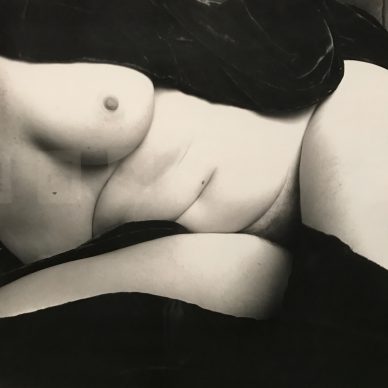
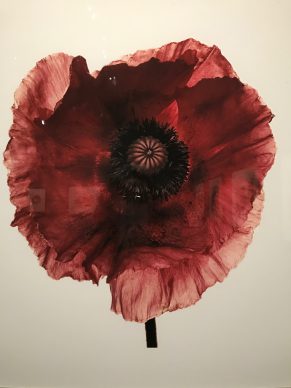
From the seventies onwards he uses a sophisticated technique, platinum-palladium printing, which allows for effects of depth and relief in the shades of black and white.
Penn is essentially a studio photographer, but he uses natural light.
The curator explains it with passion:
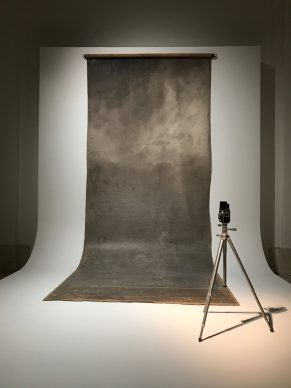
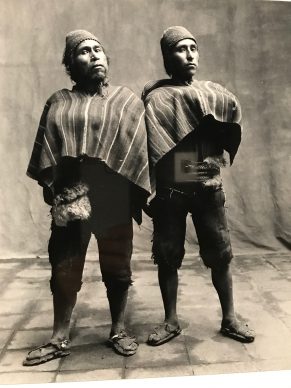
In his mobile studio that he carted from Cusco to Paris the “guest star” is a grey-painted curtain that serves as a backdrop for all his shots and has made the journey to the Grand Palais.
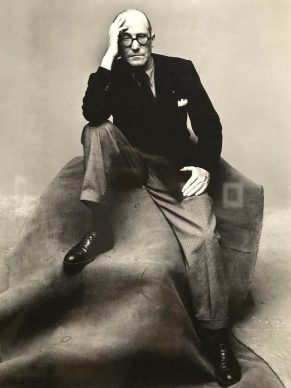
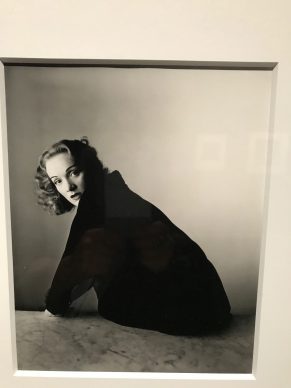
When it comes to fashion photography, Penn’s signature is in clothing detail but above all in the general design of the composition.
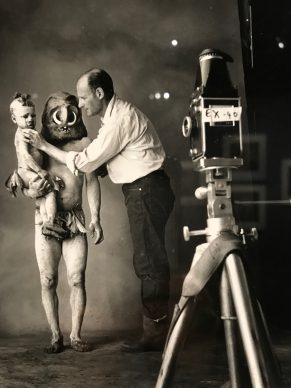
He’s a hands-on photographer who moves his models around like dolls to achieve particular poses.
Indeed, the two Peruvian street boys are far more fascinating than the professional models.
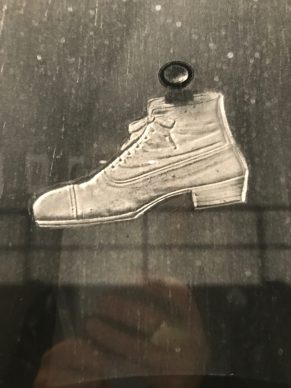
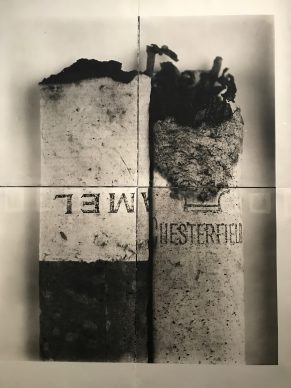
In 1972 the experimenter also immortalises a series of cigarette butts enlarged in close-up, certainly his most conceptual work.
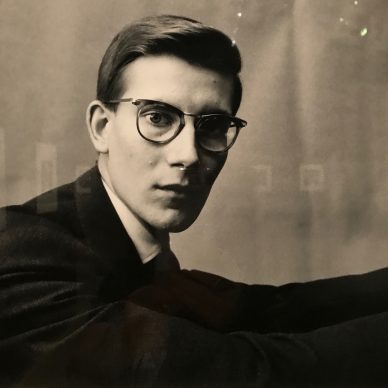
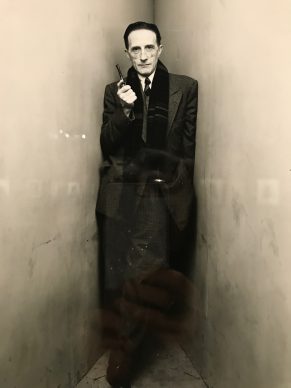
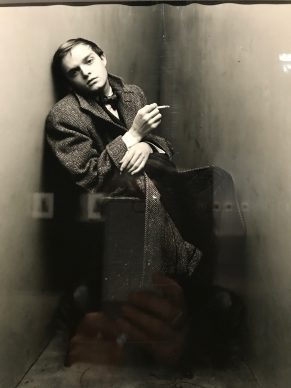
His art reached its peak in 1947-48 with the “existential portraits” where he uses the corner of a wall as a backdrop and places his subject in the centre, allowing the personalities to emerge of sitters such as Marcel Duchamp and Truman Capote. Penn used to say that the camera is part Stradivarius, part scalpel. With this series, we can see why.
Support independent art journalist
If you value Judith Benhamou Reports, consider supporting our work. Your contribution keeps JB Reports independent and ad-free.
Choose a monthly or one-time donation — even a small amount makes a difference.
You can cancel a recurring donation at any time.
Irving Penn
Irving Penn
Irving Penn
Irving Penn
Irving Penn
Irving Penn
Irving Penn
Irving Penn
Irving Penn
Irving Penn
Irving Penn
Irving Penn
Irving Penn
Irving Penn
Irving Penn
Irving Penn
Irving Penn